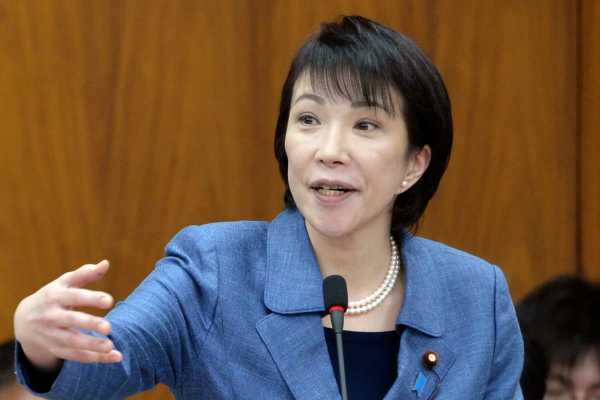
高市早苗@takaichi_sanae
Prime Minister’s Post on X
It seems that some in the press have misunderstood my remarks on exchange rates at the speech event yesterday.
My intention was not to say whether yen appreciation or yen depreciation is good or bad, but to note that “we want to build a strong economy that is resilient to exchange rate fluctuations”.
In other words, I stressed the necessity of domestic investment to strengthen Japan’s “supply capacity”.While the government continuously monitors developments in financial markets, including foreign exchange markets, I refrain from making specific comments on such developments in my capacity as Prime Minister, as I mentioned at the speech event.
In the past, rapid yen appreciation hollowed out domestic industries, which became a major issue.
With the recent depreciation of the yen, high prices, such as for energy and food, pose a challenge.
It is only natural for the government to address this challenge. To this end, we have introduced concrete measures to tackle high prices, and have been working to ensure their swift implementation.Regarding the impacts of yen depreciation on the economy, I mentioned both the negative and positive aspects in general terms:
• On the negative side, it increases burdens on households and businesses due to higher import prices.
• On the positive side, it promotes domestic investment and boosts corporate revenue by increasing exports of domestically produced goods. It also improves income from abroad, such as interest and dividend receipts, including those from foreign bonds held in the Foreign Exchange Special Account.What I intended to convey was solely that “we want to build a strong economy that is resilient to exchange rate fluctuations”. Contrary to some media reports, I did not “stress the benefits of yen depreciation”.
I hope this clarifies my true intention.
https://x.com/takaichi_sanae/status/2017869715776147915
私は、円高と円安のどちらが良くてどちらが悪いということはなく、「為替変動にも強い経済構造を作りたい」との趣旨で申し上げました。
つまり、日本の「供給力」を強くするための国内投資の必要性を述べました。
まず、為替を含めた金融市場の動向については、政府として常にその動向を注視しておりますが、個人演説会でも申し上げた通り、総理としては、具体的にコメントはしないようにしております。
その上で、かつては急激な円高で国内産業が空洞化し、大きな問題となりました。
足元の円安ではエネルギーや食品など物価高が課題であり、そうした課題に政府として対応すべきなのは当然のことです。
このため、今回、具体的な物価高対策を実施し、早期執行に努めています。
円安が経済に与える影響については、一般論として、
・輸入物価の上昇を通じて、国民生活・事業活動の負担を増加させるといったマイナス面がある一方、
・国内投資が進み、国内で生産した製品が海外に輸出しやすくなることを通じ、企業の売上げが改善し、外為特会の外債の運用等、利子・配当などの海外からの収入も改善するといったプラス面もありますので、その旨を申し上げました。
私としては、あくまで「為替変動にも強い経済構造を作りたい」との趣旨を申し上げたのであり、一部報道にあるように「円安メリットを強調」した訳ではありません。 私の真意をご理解いただけますと幸いです。
中国に対してもこれが出来てればな…
世界におっぴろげて恥ずかしいな
まぁそれで大人しくしつけられる国民も悪かったんだが
ネガキャン意味ないけど?
政府が介入するもんだろ
お前らが介入して急激に変動させるのやめろ
やり方目茶苦茶なんだよ


コメント