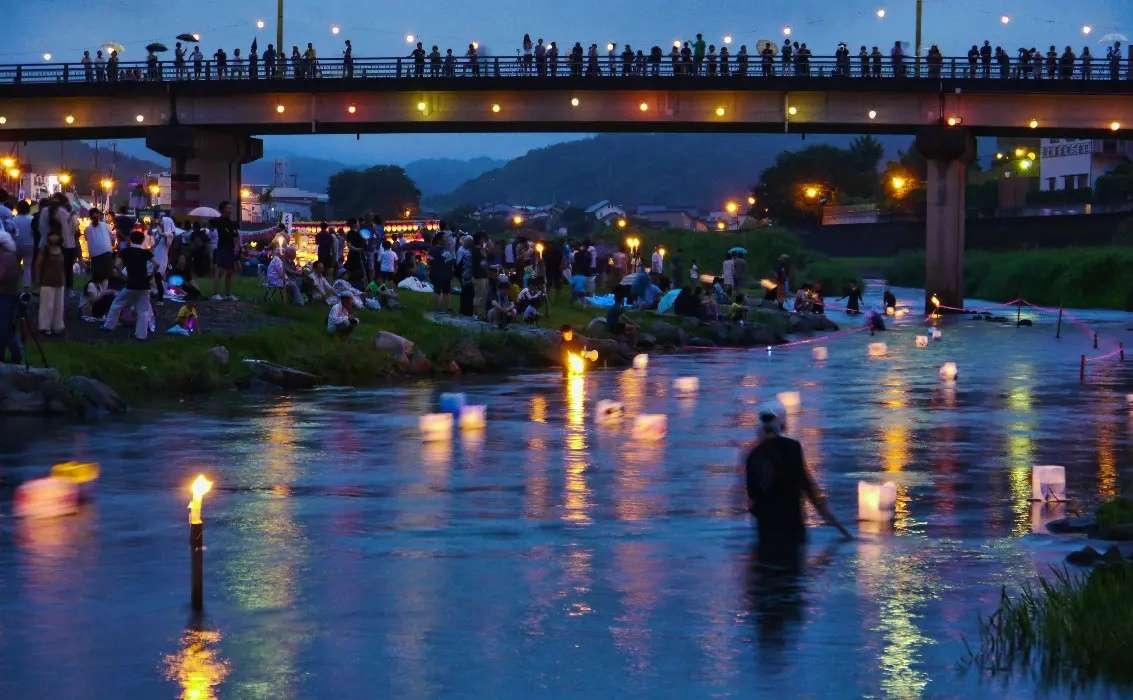
Obon Festival 2025-Japan’s Day of the Dead
Obon 2025 is celebrated from August 13 to 15 in Tokyo, Kyoto, and Osaka, with a duration of 3 days. However, in other regions, the festival date may be slightly different.
Obon is one of Japan’s most important festivals and is celebrated over 3 days in mid-August or July depending on the region. During this time, Japanese people pay respect to their ancestors and loved ones who have passed away through many beautiful ceremonies.
Obon, sometimes just called Bon, is a Buddhist festival that celebrates the time when the spirits are able to return to Earth and be with their families.This is a large family holiday and many Japanese people will travel to their family homes, clean the graves of ancestors, and leave offerings at Buddhist shrines. Although Obon is not a public holiday in Japan, most people take a few days off to celebrate.
In Japan, Obon 2025 is observed from August 13 to 15.
Traditionally, Obon was celebrated in most regions of Japan from the 13th-15th of August. However, in some other regions like Okinawa, Tohoku Region, and Aomori Prefecture, the festival is celebrated in July.
Obon is a traditional festival and not an official holiday in Japan, but it is customary for people to be given leave, usually a 7-15 days’ vacation, known as the Obon week.
Public transport may be busier than normal as many people take a vacation during this period and return to their family homes. It is also a time when tickets for flights and trains are more expensive.What is Obon?
Obon is a yearly festival that is celebrated to remember and cherish one’s ancestors. During this time, it is believed that all spirits return back to Earth and most families will leave offerings for their ancestor’s spirits or hang lanterns to lead them home.
This festival is often compared to Mexico’s Day of the Dead and China’s Hungry Ghost Festival. The idea behind all of these holidays is quite similar. During Obon, people also clean and decorate the graves of their ancestors. While cleaning the graves, some may talk to their ancestors and update them on events that have occurred over the previous year including births and marriages.
Although this holiday may sound a little somber to Westerners, Obon is actually a happy and joyous festival filled with dancing, street food, and celebrations. The festival starts and ends with a large bonfire and throughout the holiday the streets are decorated with beautiful lanterns.What are Some Popular Traditions of the Obon Festival?
1. Sweeping Graves and Offering Sacrifices
2. Bon Odori
3. Having Vegetarian Meals
4. Giving Gifts
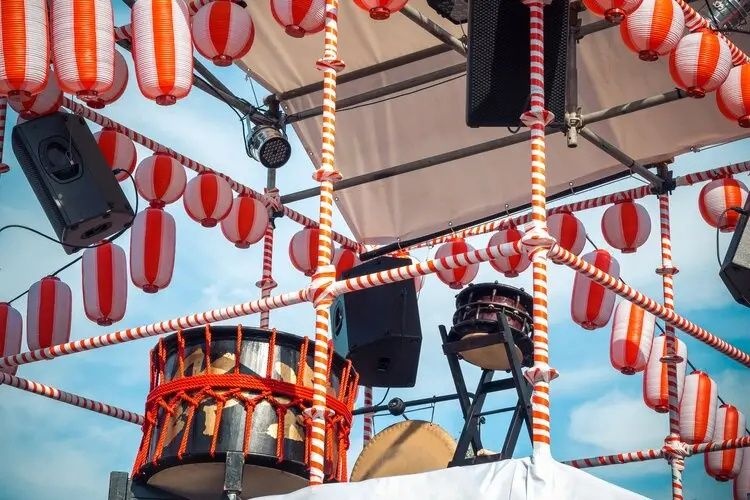
In the summer festival of Obon-sometimes called simply Bon, but often used with the honorific prefix-Japanese people welcome their ancestors’ spirits to their homes and provide them with offerings.
Obon is most commonly held between August 13 and August 16, although it is observed exactly one month earlier in some regions of Japan. Families pay tribute to their ancestors and visit the graves of deceased relatives, while in some areas there are long-established traditional dances known as bon odori. Many companies give employees days off for Obon in mid-August.
While the festival is particularly associated with Buddhism-in which tradition it is also known as Urabon’e – it is observed in Shint, too. The custom derives from a story about a disciple of the Buddha who made offerings to save his mother from torment in the realm of hungry ghosts (one of the traditional six realms of existence in Buddhism). Since the Edo period (1603-1868), Obon has become one of Japan’s most important customs, ranking alongside the New Year celebrations in the calendar of annual events.
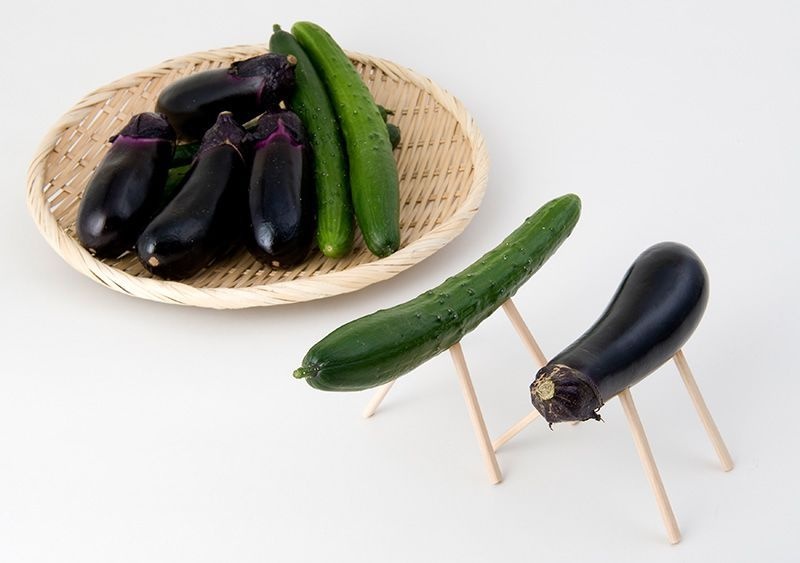
●Spirit Animals
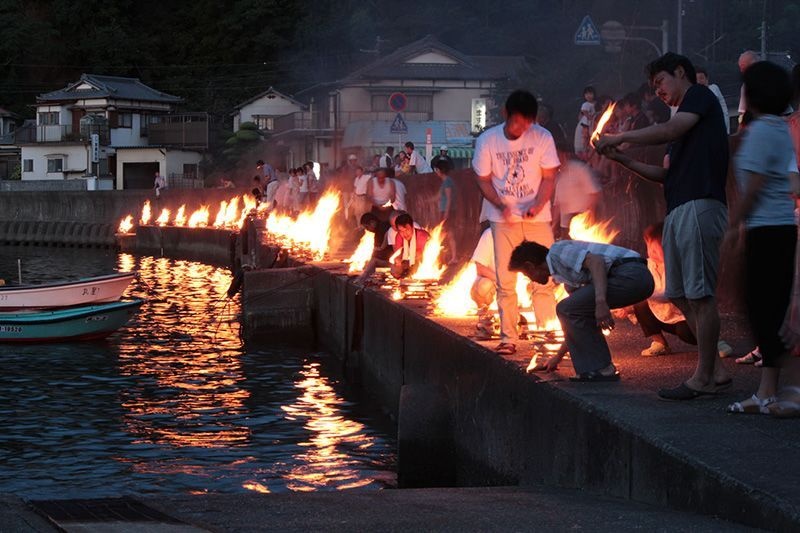
Families light the way for ancestors, to ensure they are able to find their way to the family residence on the thirteenth, the first day of the festival known as Mukaebon.
Originally, this was done through open fires, but now it is common to use lanterns with electric bulbs.
●Visiting Graves
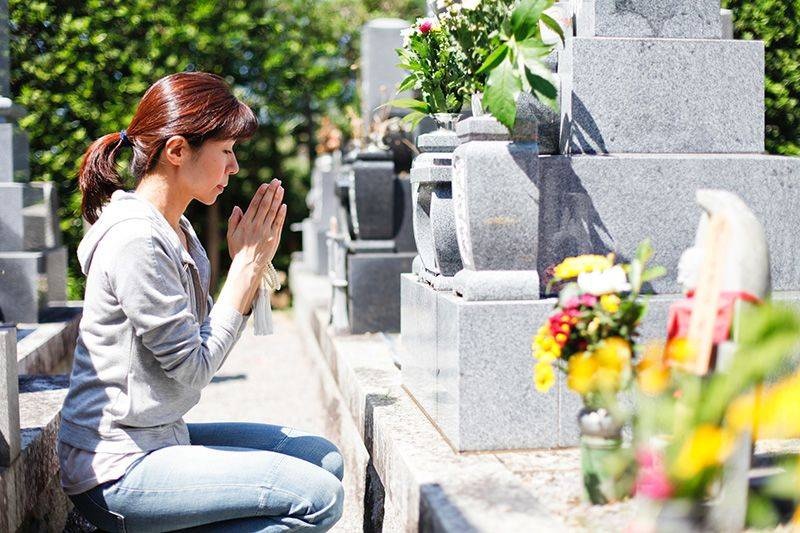
August 14 and 15, the peak of Obon, are taken as holidays by many Japanese people. And even though they are not national holidays, many people still take time off from work to return to their hometowns.Once there, they visit the graves of their relatives to clean the gravestones, place flowers, light incense, and make offerings.
●Lively Dancing
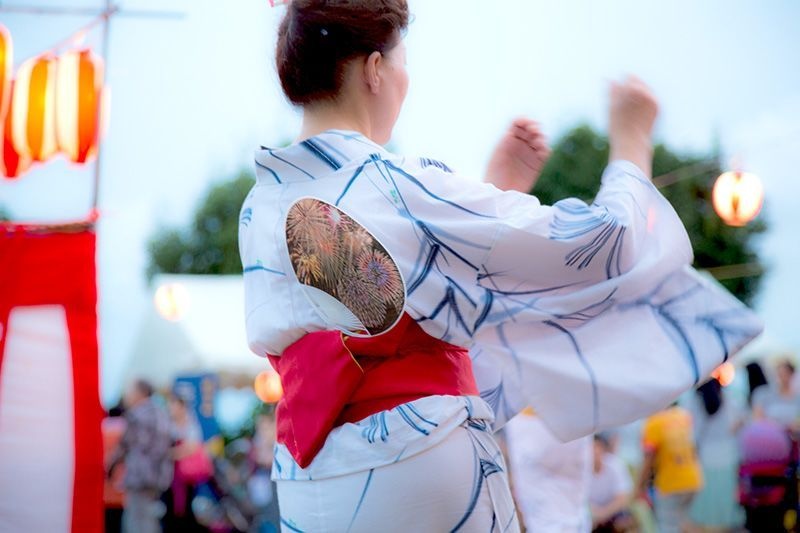
Despite Obon’s somber associations, it is also known for the lively dancing of the bon odori, performed for the spirits. These dances still take place today at temples and in town squares, and many have gone beyond
their original purpose to become popular summer festivals in their own right. Dancers may form circles around drummers playing on a central stage or move through the streets, depending on the local tradition.The Gujo Odori from Gifu Prefecture is a famous example of the former style, while Tokushima Prefecture’s Awa Odori is a well-known version of the latter.
https://www.nippon.com/en/features/jg00098/obon-a-summer-festival-for-honoring-ancestors.html
ジャック・オー・ランタン
ご先祖様が~言い出すとくどくなる
死んだ彼らがキュウリに乗ってやって来る
死んだ彼らがキュウリに乗ってやって来る
これは日本人の家族や友人たちとの絆を愛する人間性で育まれてきた文化
四季みたいなこといいよる
ネタですよね
きうりの馬とナスの牛を飾る


コメント